Roof Inspection Checklist: What We Look For (and Why It Matters)
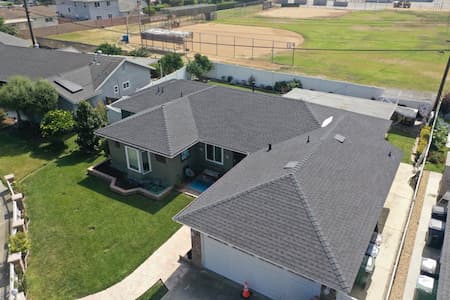
If you own a home in Huntington Beach, CA, a professional roof inspection is one of the simplest ways to protect your biggest investment. Our detailed roof inspections help catch roof damage early, explain what’s urgent, and outline a clear plan before small issues become big headaches.
Between salty ocean air, bright UV, and seasonal winds, local roofs face unique stress. That’s why your inspection should go beyond a glance at shingles. At Shulman Roofing Inc, your home is evaluated by a local roofing contractor who understands how coastal weather, neighborhood age, and roof type all interact over time.
Why Roof Inspections Matter In Huntington Beach
Living near the water is great, but it’s tough on roofs. Sun breaks down asphalt binders, salt mist corrodes metal, and gusty Santa Ana events can lift edges or shift tiles. Inspections reduce surprise leaks, extend service life, and protect ceilings, walls, and insulation from hidden moisture.
We also look for patterns we see often in Downtown HB cottages, SeaCliff and Goldenwest tract homes, and waterfront properties in Huntington Harbour. Different neighborhoods use different materials and have different exposures. The right inspection looks for the exact problems those materials and exposures tend to develop.
What We Look For During A Professional Roof Inspection
Every roof tells a story. We read it by moving methodically from the exterior to the attic, checking the system as a whole, not just isolated parts. The goal is to confirm whether weatherproofing, drainage, ventilation, and structural soundness work together the way they should.
Surface Materials: Shingle, Tile, and Flat Roof Checks
On asphalt shingles, we look for granule loss, curling, lifted tabs, nail pops, and impact marks that point to shingle damage. On clay and concrete tile roofs, we look for slipped or cracked tiles and underlayment wear at laps and transitions. For flat or low-slope sections common on additions, we check seams, blisters, ponding rings, and scuppers for reliable drainage.
UV exposure in HB can make shingles brittle, while salt can mark metal edges and stain tile surfaces. We note both cosmetic and functional issues and explain which ones can wait and which ones can’t.
Flashing, Valleys, and Penetrations
Water loves weak spots, so we spend time on step flashing, counter flashing, skylight curbs, chimneys, and valleys. We confirm proper overlaps, sealant condition, and fastener integrity. Satellite mounts, solar standoffs, and plumbing vents also get careful attention because penetrations concentrate movement and vibration over time.
Tiny leaks rarely stay tiny, especially once wind-driven rain finds a path under the surface. Catching a loose boot or open lap early prevents staining and structural moisture later.
Gutters, Downspouts, and Drainage
Good roofs move water away fast. We look for sagging runs, loose spikes, seam leaks, and debris buildup. For homes with palm trees or pines, we check how needles and fronds collect at inside corners and behind chimney saddles. Proper drainage keeps fascia dry and reduces splashback on stucco.
Attic and Ventilation Performance
We inspect from below when accessible, looking at sheathing, fastener tips, insulation coverage, and airflow at the soffit and ridge. Balanced ventilation helps flush heat and moisture, which protects shingles and underlayment over time. If airflow is blocked, shingles age faster, and condensation can form in cooler months.
Our Roof Inspection Checklist at a Glance
- Roof surface: condition of shingles or tiles, seams on flat sections, and any lifted or missing components
- Flashings and transitions: step, counter, headwall, skylights, valleys, chimneys, and wall junctions
- Penetrations: plumbing vents, solar mounts, attic fans, satellite brackets, and fasteners
- Edges and drainage: drip edge, gutters, downspouts, scuppers, and signs of ponding
- Attic view: sheathing, ventilation, insulation, contact with vents, and moisture staining
- Overall system: signs of movement, previous patches, and compatibility of materials
Local Wear Patterns We Watch Closely
In Huntington Beach, wind uplift at eaves and rakes can loosen fasteners or break the bond between shingles. Tile roofs near the coast may show early flashing corrosion at chimneys and sidewalls, while inland sections can run hotter and bake underlayment sooner. For flat roofs, we often see ponding at low corners where patios or room additions meet the main house.
Never step onto your roof to check these issues. Coastal tiles can be slick, and even one cracked tile can open a path for water you won’t notice until the next storm.
From Findings To A Clear Plan
After the inspection, you get plain-language notes, photos, and priorities. We explain what should be handled soon, what can wait, and what to keep an eye on. If repair is recommended, we outline options that fit your roof type and the way your home sheds water. No scare tactics, just clear facts and a practical path forward.
We also factor in your home’s surroundings. Overhanging trees, heavy sprinkler overspray, and second-story walls dumping water onto a lower roof can change the plan. The more we tailor the solution to your exact site, the longer your roof performs the way it should.
Roof Types Common Around Huntington Beach
We routinely inspect asphalt shingles on starter homes and additions, clay and concrete tile on many tract and custom homes, and flat or low-slope systems over garages and patios. Each type ages differently. For example, asphalt shingles show granule loss and curling, while tile systems often hide wear in the underlayment and metal. Flat roofs may look fine from the ground, yet reveal seam fatigue up close.
Curious about broader system options and how they relate to long-term protection? Explore our roofing category overview to see how the pieces of a roof work together as a system.
How We Document Roof Damage Without Disruption
We know you’re busy. Inspections are scheduled in tight windows, and our techs document findings with photos and notes so you don’t have to climb or peek into tight spaces. You’ll see exactly what we saw and why it matters for your roof’s lifespan. That clarity makes planning simple.
Book your inspection before the rainy season so small issues are handled while the weather cooperates. It’s a simple step that helps your roof perform when storms show up.
What Homeowners Can Expect On Inspection Day
Expect a friendly walkthrough at the start and finish. We confirm access points, protect landscaping, and keep noise down. The inspection itself is thorough but efficient, covering the full checklist without lingering on your property. If you’re home, we review photos and next steps together; if not, we send a complete digital report the same day in most cases.
Ready For A Roof Inspection You Can Trust?
Protect your home with a clear, local, and thorough process designed for coastal conditions. When you’re ready, schedule a comprehensive roof inspection and get confident about the next storm season.
Have questions or want to book now? Call Shulman Roofing Inc at 714-799-7157 and our team will get you on the calendar, fast. We’ll review your roof, explain findings in plain English, and help you plan smart next steps.
Looking for Roofing Experts? Reach Out Now For Our Roofing Contractors in Huntington Beach, CA & Surrounding Areas!