Insurance & Roof Damage in Orange County, CA: Roof Inspections, Photos, Estimates, and Next Steps
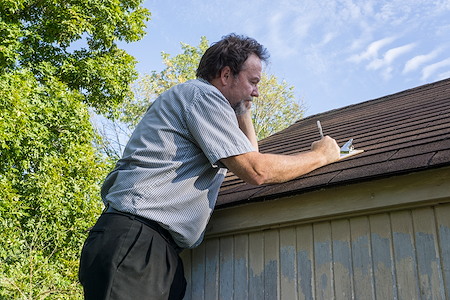
When a storm hits Orange County, CA, roof damage can turn a normal week into a scramble with photos, adjusters, and deadlines. A calm, clear process helps your claim and protects your home. This guide explains how roof inspections, smart documentation, and a solid roofing estimate work together so you can move forward with confidence.
If winds or heavy rain left marks on your roof in Irvine, Anaheim, Huntington Beach, Santa Ana, or nearby neighborhoods, start by scheduling a professional roof inspection. The inspection creates evidence you can share with your insurer and a plan you can understand.
Why Roof Inspections Matter For Insurance In Orange County, CA
Insurers need proof. A licensed roofing contractor documents the roof’s condition after a storm, separates old wear from new damage, and notes where water could enter. That expert record is what an adjuster reviews when deciding coverage.
Local homes vary from Spanish tile in Mission Viejo to asphalt shingles in Tustin and metal accents in Newport Beach. An inspection considers these different roof types and how wind lift, flying debris, or driving rain typically affect each material along the coast and inland.
Timing matters in our region. Santa Ana wind events often arrive fast, and El Niño years bring soaking storms. The sooner your inspection happens, the clearer the cause-and-effect is in your report.
What Photos To Take Before And After Storm Roof Damage
Clear photos help your insurer see what happened. Take pictures from safe ground with good light. Use a ladder only if it’s safe and stable, and you can do so without stepping on the roof. Better yet, let your roofer capture close-ups during the inspection.
- Wide shots of each side of the house, garage, and any outbuildings
- Close-ups of missing shingles or tiles, bent flashing, and dented vents
- Gutter line and downspouts, especially if debris piled up
- Interior ceilings and walls where stains or bubbling paint appear
- Date-stamped photos of yard debris, like broken branches that hit the roof
Do not climb on the roof. A wet or wind-lifted surface can be slick and unstable. Your contractor can take safe, detailed photos as part of the inspection.
How A Roofing Estimate Supports Your Claim
After documenting the damage, your roofing contractor prepares a written estimate. It outlines what needs to be repaired or replaced, the materials involved, and the scope of work. Insurers use this to compare with their adjuster’s notes and to understand why certain steps are necessary.
Good estimates are plain-language and detailed. They call out roof sections, flashing, underlayment, and ventilation components so nothing important gets missed during repairs. If you want to learn more while you wait for your adjuster visit, browse the practical guides in our roofing articles archive.
Ask for an itemized estimate with photos attached. It makes alignment with your insurance adjuster faster and reduces back-and-forth.
Common Roof Damage We See Across Orange County Neighborhoods
Every community has patterns. Along the coast in Huntington Beach and Newport Beach, salt air and strong gusts can loosen shingles and corrode metal fasteners. Inland areas like Anaheim Hills and Lake Forest often see lifted shingles and ridge damage from peak wind gusts.
Tile roofs in Mission Viejo or San Juan Capistrano may hide cracked tiles and broken mortar that let water in. Asphalt shingles in Tustin, Garden Grove, or Fullerton may show creasing or missing tabs after a high-wind event. Your inspection finds these small failures before they turn into interior leaks.
The Claim Timeline: What To Expect In Orange County
Every insurer has its own process, but the flow is similar. You report the claim, an adjuster is assigned, and your inspection report and photos are reviewed. The adjuster may visit, compare notes with your roofer, and then make a coverage determination.
Start a simple claim folder and save everything. Keep your claim number, adjuster name, inspection report, estimate, and photo set together. If more rain moves in, you will have what you need at hand.
How Your Roofing Contractor And Adjuster Work Together
A smooth claim feels like a team effort. Your contractor explains the damage in plain terms and shows why each repair step matters, while the adjuster verifies what is covered by your policy. Honest, detailed communication keeps the process moving.
If the adjuster cannot visit quickly after a big storm, your inspection report and date-stamped photos help preserve evidence from day one. That is especially important after fast-moving wind events that can scatter debris.
Avoiding Pitfalls That Can Delay Your Claim
- Avoid temporary fixes that hide damage before the adjuster sees it.
- Do not accept a vague estimate without line items and photos.
- Do not wait weeks to report a leak or stain inside your home.
- Keep communication in writing so dates and details are easy to track.
Time-stamp every photo and save original files. Many phones add location and date automatically, which supports your timeline.
When Your Adjuster And Roofer Disagree
Differences can happen. Sometimes an adjuster sees wear while the roofer sees storm impact. Ask both parties to walk the roof together and review the same photos and estimate. Clarify what is storm-related and what is age-related, and request an updated scope that reflects the shared findings.
If more review is needed, your roofing contractor can provide additional documentation, such as manufacturer details for your shingles or tiles, and a moisture reading from suspected leak areas.
What A Quality Roof Inspection Includes
A thorough inspection looks at the entire system, not just the shingles or tiles. Expect documentation on roof covering, flashing, underlayment exposure, penetrations like vents and skylights, and attic ventilation. The report should map out where damage exists and how water could travel.
It is also helpful when your roofer marks photos by roof plane or room name. That makes it easy for an adjuster to compare your estimate with their notes and for you to understand the plan.
How Weather Patterns In Orange County Affect Claims
Our coastal climate shifts quickly. Santa Ana winds can lift shingle edges and push rain under tiles. Winter systems may stack up during stronger seasons, increasing the chance that minor damage turns into a leak.
Because the weather can change overnight, inspections and photos taken right after the event are powerful. They show what happened before the next gust or shower moves debris or dries up obvious signs.
Choosing A Local Roofing Contractor You Can Trust
Look for a licensed, insured team with documented experience with the materials on your roof. Ask for before-and-after photos from recent projects in your city. Read how they communicate with adjusters and how they document work to keep claims moving.
You can also learn more about services beyond inspections by reviewing local pages on material choices and maintenance. If you need a refresher on options, scan the overview of different roof types common in our area. To see how we approach service quality from first call to final cleanup as a trusted roofing contractor in Orange County, CA, give our team a call.
What To Do If Rain Is Forecast Before Your Adjuster Visit
Rain in the forecast raises stress when you already have a roof issue. Focus on interior protection and documentation. Your contractor can recommend safe temporary measures that do not hide damage from the adjuster and can monitor problem areas until work begins.
If you notice new ceiling stains, take fresh photos from the same angles as your earlier shots and add them to your claim folder. The timeline will remain clear and complete.
Your Next Steps Today
1) Take wide and close-up photos from the ground.
2) Report the claim to your insurer.
3) Book an inspection so your home and claim get the attention they deserve.
You can book a roof inspection with Shulman Roofing Inc right away to document the damage and prepare a clear estimate for your adjuster.
Have questions about storm roof damage, the kind of photos an adjuster needs, or how to read a roofing estimate? Call Shulman Roofing Inc at 714-799-7157. We serve homeowners across Orange County with prompt documentation, detailed reports, and respectful service so you can move from damage to resolution with confidence.
Ready to take the next step? Schedule your inspection, gather your photos, and keep your claim folder organized. With the right team, the process stays clear, and your home gets back to normal fast.
Looking for Roofing Experts? Reach Out Now For Our Roofing Contractors in Huntington Beach, CA & Surrounding Areas!